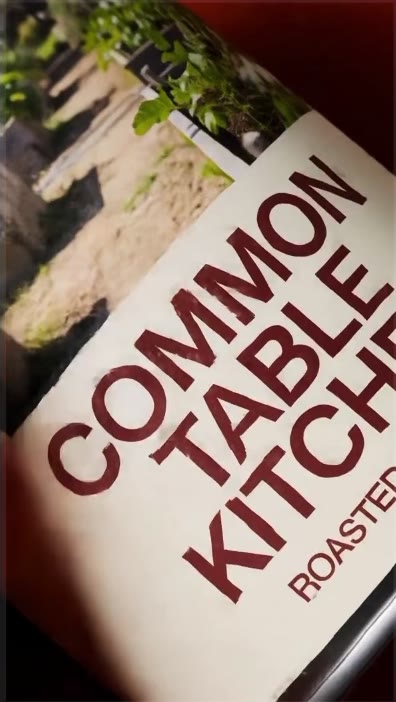
Cut A · Sauce pour · 15.5 s · silent cut
Cut B · Exploded can · 7.7 s · silent cut
Cut A · Sauce pour
Not in this cut: an offer. In a Sprint the offer (price, bundle, guarantee) is a test variable: a 1.5 s card swapped in before the end frame.
Cut B · Exploded can
Not in this cut: an offer. In a Sprint the offer (price, bundle, guarantee) is a test variable: a 1.5 s card swapped in before the end frame.
Beat boundaries sit on measured scene cuts (ffmpeg scene detection); ≈ marks one read from frames. The hook window is 0–1.5 s by definition. Click a beat to jump.
Built for sound-off. Cut A · Sauce pour
This cut has no audio track: everything it says is on screen, which is how most of the feed watches it anyway.
- Common Table Kitchen · Roasted Tomato
- Slow-roasted tomatoes
- Picked and roasted the same day
- No added sugar or starch
- “One ingrient” [sic] · Done properly
- Cook like the whole table is coming.
Brand legible from frame one (frames sampled every 0.5 s)
Built for sound-off. Cut B · Exploded can
This cut has no audio track: everything it says is on screen, which is how most of the feed watches it anyway.
- Common Table Kitchen · Roasted Tomato
Brand legible from frame one (frames sampled every 0.5 s)
Concept · Common Table Kitchen · Food
Roasted tomato, two ways
Concept · fictional brand · made with HiggsfieldConcept · fictional brand · made with Higgsfield
Two cuts from one brief: a thick sauce pour that wipes across the label and ends on “Cook like the whole table is coming.”, and a shorter exploded can layered with tomato slices and basil.
- Brand
- Common Table Kitchen
- Product
- Roasted Tomato (canned)
- Format
- Product film
- Frame
- 9:16 · 15.5 s + 7.7 s · 2 cuts · silent cut
- Brand on screen
- from frame one · from frame one (frames sampled every 0.5 s)
- Tools
- Made with Higgsfield · owner-supplied cut
01 · Brief
A canned tomato is a commodity until the ad makes it look like a cooked meal. Two routes to the same product: texture first (the pour) and ingredients first (the exploded can). Running both is the point: the test says which route the audience wants.
02 · Hook: the thumb-stop
Cut A · Sauce pourFrame one is a macro of thick tomato sauce; the pour wipes across the label and the cut ends on the line “Cook like the whole table is coming.”
Cut B · Exploded canFrame one is the can label in close-up; the can splits into layers of tomato slices, basil and sauce, then closes clean.
03 · Angle
Pantry staple as appetite appeal: the sauce and the ingredients do the selling, the garden photo on the label does the provenance.
04 · Structure, beat by beat
Cut A · Sauce pour
- Hook · 0.0–1.5 s
Label close-up, then thick sauce wipes across it.
- Problem / setup · 1.5–4.6 s
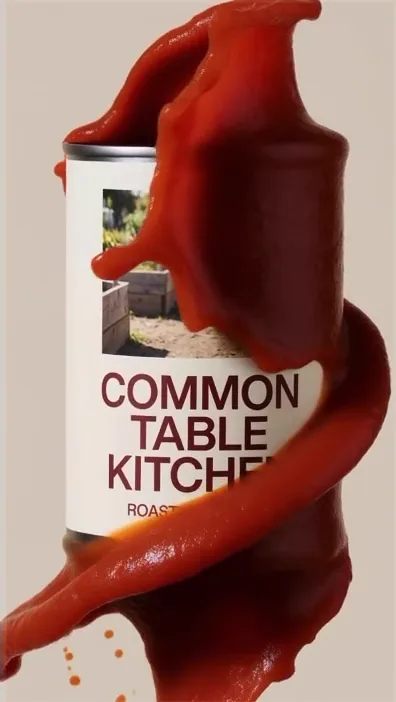
Sauce wraps the can; the label again at an angle.
- Product · 4.6–13.1 s
Pour from the open can, sauce bubbling, a splash around the can, basil against the garden label.
- Claims card · ≈13.1–14.5 s
Claims card: slow-roasted, picked and roasted the same day, no added sugar or starch. The card spells “ingrient”: on our fix list.
- End card · ≈14.5–15.5 s
Wordmark + “Cook like the whole table is coming.”
Not in this cut: an offer. In a Sprint the offer (price, bundle, guarantee) is a test variable: a 1.5 s card swapped in before the end frame.
Cut B · Exploded can
- Hook · 0.0–1.5 s
The label in close-up; a sauce splash wipes it.
- Problem / setup · ≈1.5–2.5 s
The can splits into rings.
- Product · ≈2.5–5.0 s
Exploded can: tomato slices, basil and sauce between the layers.
- Pack shot · ≈5.0–7.7 s
The can closes and turns to the label: pack-shot end, no line.
Not in this cut: an offer. In a Sprint the offer (price, bundle, guarantee) is a test variable: a 1.5 s card swapped in before the end frame.
Timings from measured scene cuts; ≈ = read from frames. Turn on Ad anatomy to watch the beats on the player.
05 · What we'd test first
- A
Route: cut A (sauce pour) against cut B (exploded can), judged on 3-second views and cost per landing-page view.
- B
Length: cut A trimmed to its first eight seconds against the full cut, judged on hold to the end.
06 · What a Sprint does with it
- Thumb-stop first. The first 1.5 s decides whether anyone sees the rest. We cut three openers from this master and let the account pick, instead of arguing about taste.
- One master, many cuts. This master becomes the 9:16, 4:5 and 1:1 set in two lengths, captioned and named for your ad account, so testing velocity is limited by budget, not by edits.
- Ahead of creative fatigue. New hooks and angles land before frequency climbs on the winner, so the account is never waiting on the next shoot.
- Judged on CAC, not on likes. Each cut has a hypothesis and a kill rule; the day-21 read-out says which one lowered your cost per acquisition and which one lost.
07 · Three frames per cut
Cut A · Sauce pour
20 % · 00:03 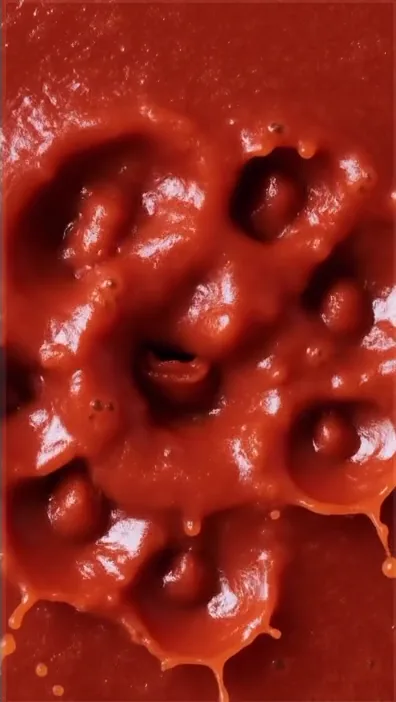
50 % · 00:08 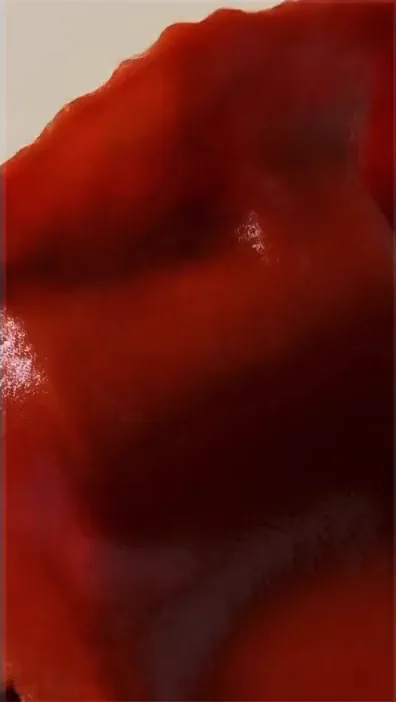
80 % · 00:12
Cut B · Exploded can
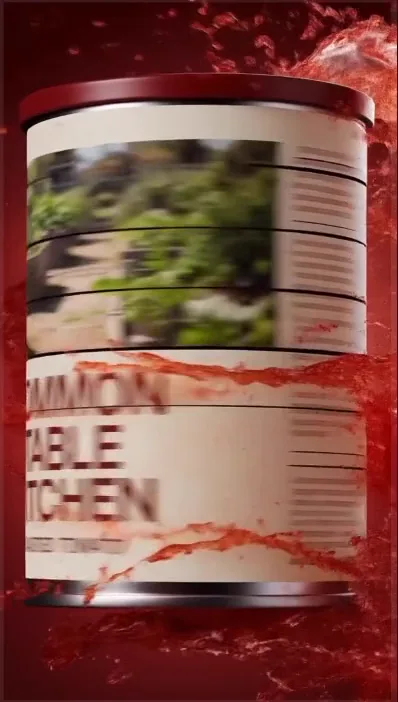
20 % · 00:02 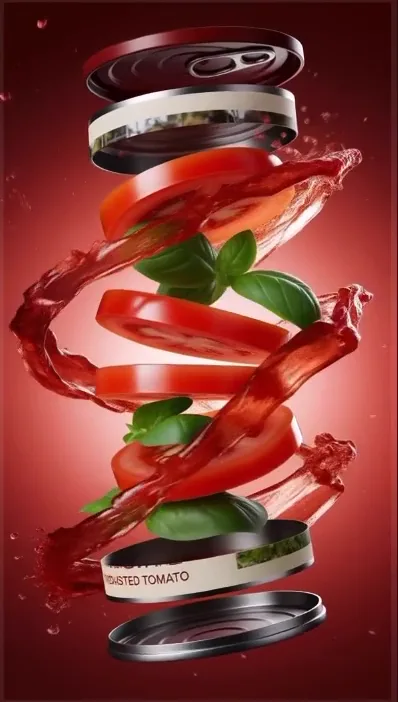
50 % · 00:04 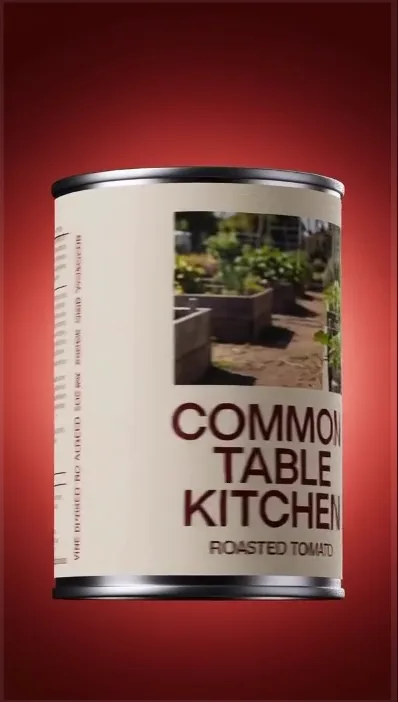
80 % · 00:06
Made with Higgsfield · owner-supplied cut