Not in this cut: an offer. In a Sprint the offer (price, bundle, guarantee) is a test variable: a 1.5 s card swapped in before the end frame.
Beat boundaries sit on measured scene cuts (ffmpeg scene detection); ≈ marks one read from frames. The hook window is 0–1.5 s by definition. Click a beat to jump.
Built for sound-off.
This cut has no audio track: everything it says is on screen, which is how most of the feed watches it anyway.
- Debossed wordmark on the leather: OPEN ACCOUNT · LEATHER
Concept · Unbranded · Accessories
Fan out
Concept · fictional brand · made with HiggsfieldConcept · fictional brand · made with Higgsfield
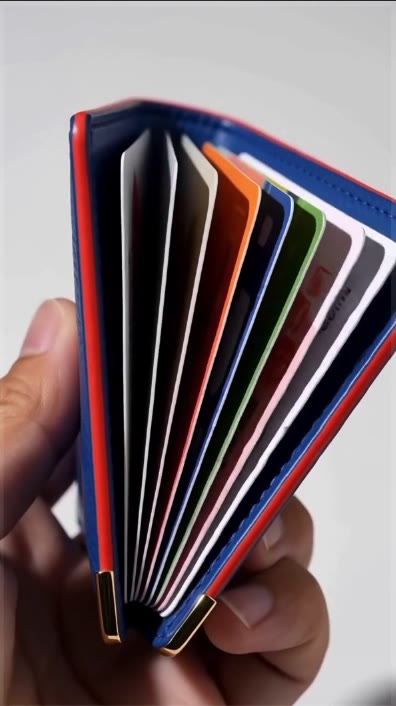
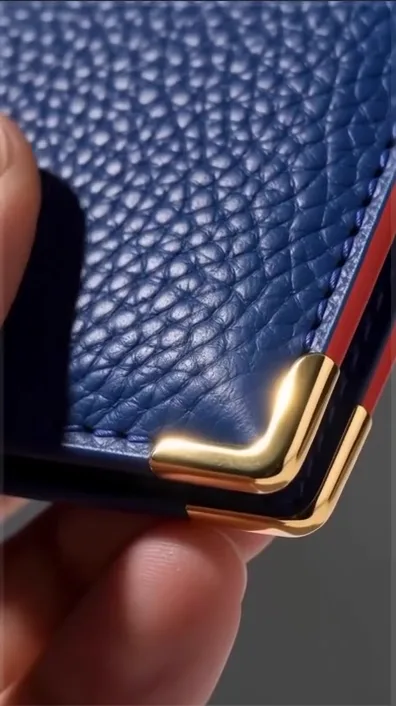
A blue pebbled-leather card wallet with red edges and gold-tone corners fans its cards open in hand, then turns through corner, edge and plinth shots.
- Brand
- Unbranded
- Product
- Card wallet / organiser
- Format
- Product film
- Frame
- 9:16 · 14.7 s · silent cut
- Brand on screen
- (frames sampled every 0.5 s)
- Tools
- Made with Higgsfield · owner-supplied cut
01 · Brief
A card wallet sells on two things: how much it holds and how it is made. This cut shows both without a word: the fan in the first two seconds, then grain, edge paint and corner caps in macro. No price, no offer, no line on screen.
02 · Hook: the thumb-stop
Frame one is a hand holding the wallet open as a stack of cards fans out: capacity before claim.
03 · Angle
Hands-on product film: the card fan does the demo, macros of grain, red edge paint and gold-tone corners do the finish.
04 · Structure, beat by beat
- Hook · 0.0–1.5 s
A hand holds the wallet open and a stack of coloured cards fans out: capacity shown before any claim.
- Problem / setup · 1.5–3.4 s
The fan completes (cut at 1.9 s), then a thumb runs over a gold-tone corner cap.
- Build · 3.4–6.9 s
The closed wallet in hand, red edge paint in macro, the cards fanned side-on: grain, edge, capacity.
- Set · 6.9–12.7 s
Wallets on acrylic plinths, a top-down pair, the debossed mark, a spine macro with the gold-tone corner.
- End (no card) · 12.7–14.7 s
A wallet stands on acrylic with a card inside; the cut ends on the grain. No offer, no line, no end card. First fix we would test: a 1.5 s end super.
Not in this cut: an offer. In a Sprint the offer (price, bundle, guarantee) is a test variable: a 1.5 s card swapped in before the end frame.
Timings from measured scene cuts; ≈ = read from frames. Turn on Ad anatomy to watch the beats on the player.
05 · What we'd test first
- A
Opener: the card fan against the gold-corner macro as frame one, judged on 3-second views per impression.
- B
End: this textless cut against the same cut with a 1.5 s end super (name + one line), judged on hold to the end.
06 · What a Sprint does with it
- Thumb-stop first. The first 1.5 s decides whether anyone sees the rest. We cut three openers from this master and let the account pick, instead of arguing about taste.
- One master, many cuts. This master becomes the 9:16, 4:5 and 1:1 set in two lengths, captioned and named for your ad account, so testing velocity is limited by budget, not by edits.
- Ahead of creative fatigue. New hooks and angles land before frequency climbs on the winner, so the account is never waiting on the next shoot.
- Judged on CAC, not on likes. Each cut has a hypothesis and a kill rule; the day-21 read-out says which one lowered your cost per acquisition and which one lost.
07 · Three frames
20 % · 00:03 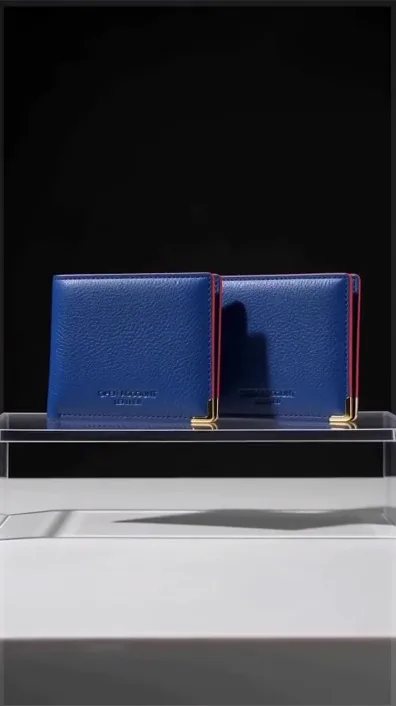
50 % · 00:07 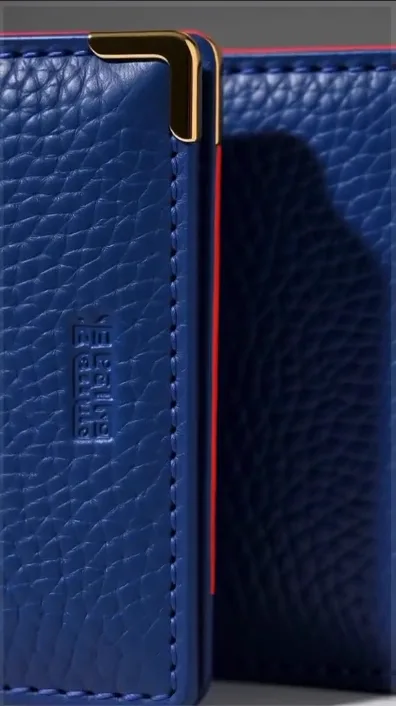
80 % · 00:12
Made with Higgsfield · owner-supplied cut